
Meta Description: Discover why movie villains often become more memorable than heroes and how strong personalities, motivations, performances, and writing create iconic antagonists.
Introduction
Movie villains can sometimes become the most memorable characters in a film. While the hero usually drives the story forward, a powerful villain can create the conflict, tension, and excitement that keeps audiences interested.
Think about some of the movies you remember most. You may remember the hero, but there is a good chance you also remember the villain’s face, voice, dialogue, attitude, or unforgettable entrance.
So why do some villains become bigger than the heroes themselves?
The answer often comes down to personality, motivation, performance, and the way the character challenges the hero.
What Makes Movie Villains So Interesting?
A good villain is rarely just a person who is “bad.”
The most interesting movie villains usually have a clear personality and a reason behind what they do. Their actions may be wrong, but the audience can sometimes understand their thinking.
This creates a more complicated character.
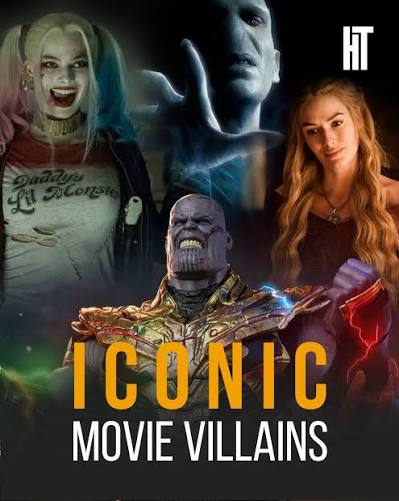
A villain who simply wants to destroy everything can be entertaining, but a villain with a personal goal, belief, fear, or weakness can feel much more real.
The audience starts asking:
Why does this character behave this way?
That question creates interest.
Villains Create Conflict
Without a strong antagonist, many movie stories would lose their central conflict.
The villain gives the hero something to overcome.
They may threaten the hero’s family, challenge their beliefs, take away something important, or force them to make difficult decisions.
The stronger the opposition, the more difficult the hero’s journey becomes.
This is why film antagonists are not simply obstacles. They often shape the entire story.
A Great Villain Needs a Strong Motivation
One of the most important elements of a great villain is motivation.
The character needs to believe there is a reason for their actions.
Perhaps they want power.
Perhaps they want revenge.
Perhaps they believe they are creating a better world.
Perhaps they are protecting themselves from something they fear.
A believable motivation makes the villain more interesting because the audience can understand the character even when they disagree with them.
The Performance Can Change Everything
A well-written villain still needs a strong performance.
An actor can make a villain memorable through voice, body language, facial expressions, movement, timing, and small details.
Sometimes the most frightening thing about a villain is not shouting or violence.
It is calmness.
A character who speaks quietly while everyone else is nervous can create enormous tension.
This is why some iconic villains become strongly associated with the actors who played them.
Why Villains Can Feel More Unpredictable
Heroes often have certain moral boundaries.
Villains may not.
This makes them unpredictable.
The audience may not know what the villain will do next. They could betray someone, change their plan, make an unexpected decision, or suddenly reveal another side of their personality.
That uncertainty creates suspense.
The audience keeps watching because they want to know what the villain is capable of doing.
The Joker: A Classic Example
One of the clearest examples of a villain stealing the show is the Joker in The Dark Knight.
The character is frightening, unpredictable, intelligent, and difficult to understand. Instead of being presented as a traditional villain with a simple goal, the character creates chaos and constantly challenges the hero’s beliefs.
The performance, dialogue, appearance, music, and direction all work together to make the character unforgettable.
The Joker also forces Batman into difficult moral situations, making the conflict between the two characters much more than a simple fight between good and evil.
That is what makes the character such a powerful cinematic villain.
Villains Sometimes Have Better Dialogue
Another reason villains become memorable is their dialogue.
Writers often give villains some of the most interesting conversations in a movie.
Why?
Because villains are usually allowed to challenge ideas.
They can question the hero’s beliefs, make uncomfortable observations, or say things the hero would never say.
A memorable villain can therefore become the character audiences quote long after the movie ends.
Visual Design Makes Villains Memorable
Appearance also matters.
Costumes, makeup, hairstyles, colours, props, and body language can help establish a villain’s personality before they even speak.
A strong visual design allows audiences to recognize a character instantly.
Think about a villain’s silhouette, costume, or signature object. Sometimes audiences can identify the character from a single image.
This is an important part of visual storytelling because character design communicates personality without needing dialogue.
Why Audiences Enjoy Watching Villains
There is also something naturally interesting about watching characters who break rules.
Villains allow audiences to experience ideas and behaviours that they would not normally accept in real life.
They can be rebellious, fearless, intelligent, unpredictable, or completely free from social rules.
This does not mean audiences support everything villains do.
Instead, viewers may simply find these characters fascinating to watch.
A good villain gives the audience a safe way to explore darker ideas and difficult questions.
When the Villain Becomes More Interesting Than the Hero
Sometimes the villain has more complexity than the hero.
The hero may have a straightforward goal: defeat the villain and save the day.
The villain, meanwhile, may have a complicated history, unusual philosophy, emotional weakness, and unpredictable personality.
When this happens, audiences may find themselves more curious about the villain.
This does not necessarily mean the hero is badly written.
It simply means the villain has become equally important to the audience’s experience of the story.
The Best Villains Reflect the Hero
The strongest villains often act as a reflection of the hero.
They may represent what the hero could become if they made different choices.
This creates a deeper conflict.
The battle is no longer simply:
Hero vs. Villain
It becomes:
One belief vs. another belief.
This is one reason great villains can make heroes more interesting too. The hero’s values become clearer when they are challenged by someone who believes the opposite.
Conclusion
Movie villains sometimes steal the show because they bring unpredictability, personality, conflict, and complexity to a story.
A great villain is not simply someone the hero needs to defeat. They can challenge the hero’s beliefs, create emotional tension, deliver memorable dialogue, and force the audience to think differently.
The best villains stay in our minds because they feel like more than obstacles.
They feel like characters with their own stories, beliefs, and identities.
And sometimes, the character we came to hate becomes the character we remember the most. 🎬