
Videos are everywhere today. From movies and advertisements to weddings, YouTube videos, and social media reels, video content has become a major part of our daily lives.
Two common terms used in video production are cinematography and videography. Although both involve recording videos using cameras, they have different purposes and approaches.
Let’s understand the difference in simple words.
What Is Cinematography?
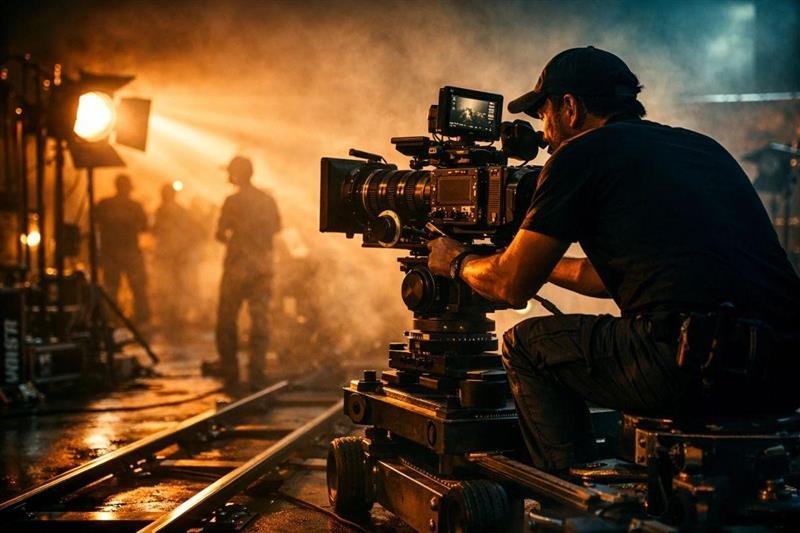
Cinematography is the art of telling stories through moving images. It focuses on making every shot visually appealing and meaningful.
A cinematographer carefully plans the camera angles, lighting, colours, framing, and camera movements to create a particular mood or emotion.
For example, in a horror movie, dark lighting and slow camera movements can create fear. In a romantic movie, warm colours and soft lighting can create a pleasant atmosphere.
Common uses of cinematography:
The main goal of cinematography is to tell a story and make the audience feel something through visuals.
What Is Videography?
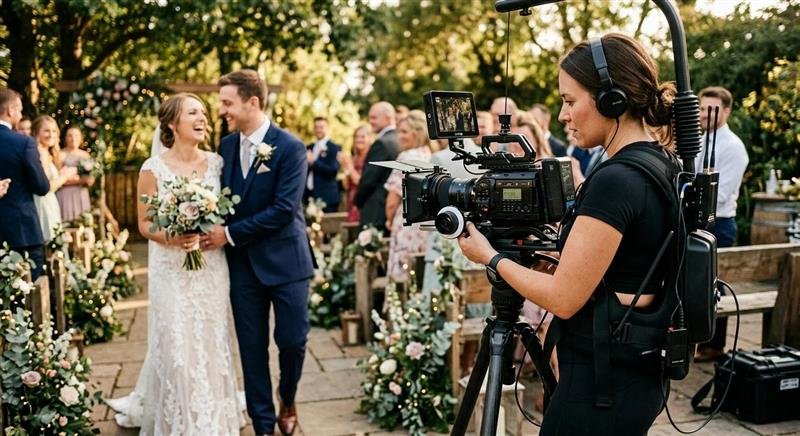
Videography is the process of recording events, activities, or information using a video camera.
Unlike cinematography, videography usually focuses more on capturing what is happening rather than creating a cinematic experience.
For example, a wedding videographer records important moments such as the ceremony, speeches, and celebrations. The main purpose is to preserve those memories.
Common uses of videography:
The main goal of videography is to capture events and communicate information clearly.
Cinematography vs Videography: Key Differences
| Cinematography | Videography |
|---|---|
| Focuses on storytelling | Focuses on recording events |
| Uses planned lighting and camera angles | Often uses available lighting |
| Requires detailed creative planning | Often involves flexible shooting |
| Common in films and commercials | Common in events and interviews |
| Focuses on mood and emotions | Focuses on capturing important moments |
| Often involves a larger production team | Can be handled by one person |
Do Cinematographers and Videographers Use Different Cameras?
Not necessarily.
Both cinematographers and videographers can use DSLR cameras, mirrorless cameras, or professional cinema cameras.
The difference is not always in the equipment but in how the camera is used.
A cinematographer may spend hours setting up lighting and framing a single scene. A videographer may need to move quickly to capture important moments as they happen.
Modern cameras are capable of producing excellent results for both types of work.
Which One Is Better?
Neither cinematography nor videography is better than the other. Both serve different purposes.
If you want to produce a movie, a creative advertisement, or a visually rich brand film, cinematography may be the better choice.
If you want to record a wedding, business meeting, interview, or live event, videography may be more suitable.
Today, the line between the two is becoming less clear. Many wedding videographers use cinematic techniques, while filmmakers sometimes use simple video recording styles to make their stories feel more realistic.
Can a Videographer Become a Cinematographer?
Yes. Many professional cinematographers begin their careers as videographers.
Learning camera settings, lighting, composition, editing, and storytelling can help videographers develop cinematography skills.
The most important skill is understanding how to use visuals to communicate a message effectively.
Final Thoughts
Cinematography and videography both play important roles in video production.
Cinematography focuses on creating beautiful visuals that tell a story, while videography focuses on capturing events and sharing information.
Whether you are planning to create a film, record an event, or start a career in video production, understanding these differences can help you choose the right approach.
In simple words, cinematography is about how a story looks and feels, while videography is about capturing what happens.
Social media content
Educational videos
YouTube videos
Interviews
Corporate events
Weddings and birthday celebrations
Documentary films
Music videos
Television commercials
Web series
Movies and short films