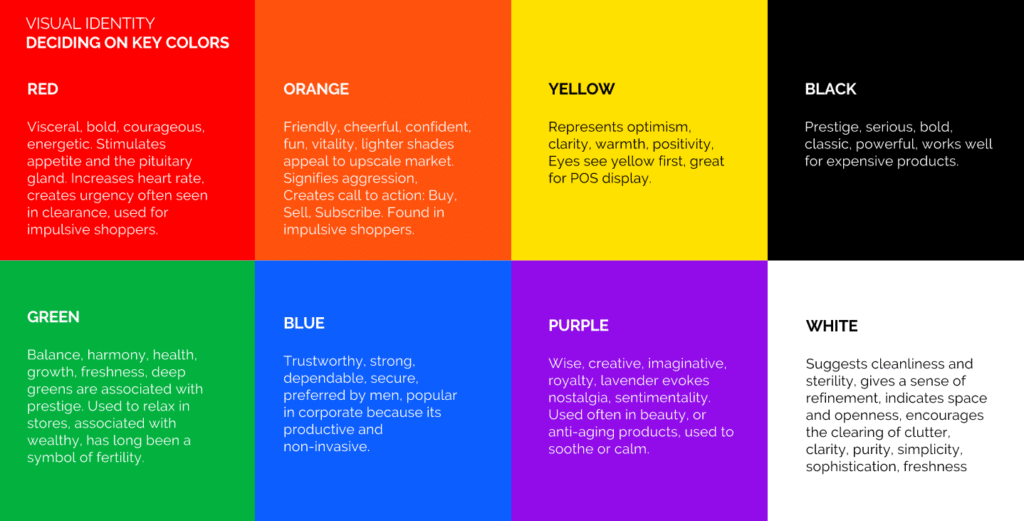
Color is one of the most emotionally powerful tools in filmmaking. Long before characters speak or the plot unfolds, color sets the tone, shapes the atmosphere, and influences how the audience feels. Through deliberate use of palettes, filmmakers turn each scene into an emotional landscape — guiding viewers subconsciously through the story.
Color doesn’t just decorate the frame.
It defines the emotional heartbeat of cinema.
⭐ Why Color Matters in Visual Storytelling
Every hue carries psychological meaning.
The audience may not consciously analyze the palette, but they instinctively feel its impact.
✔ Warm colors (red, yellow, orange)
Evoke energy, passion, warmth, danger, or emotional intensity.
✔ Cool colors (blue, green, violet)
Express calmness, mystery, sadness, or detachment.
✔ Neutral tones (white, gray, beige)
Create realism, simplicity, or emotional neutrality.
In the hands of a skilled filmmaker, color becomes language.
⭐ Building Emotional Worlds Through Color Palettes
Color palettes give each film or scene a unique emotional identity.
🎨 1. Monochromatic palettes
Used to convey purity, focus, or emotional clarity.
Example: A blue-dominated scene can feel deeply introspective or cold.
🌈 2. Complementary palettes
Opposites like teal and orange create striking contrast and visual energy.
This combination is popular because it enhances skin tones while adding dramatic tension.
🖤 3. Desaturated palettes
Muted colors reflect loss, trauma, or harsh reality.
War films and psychological dramas often use desaturation to convey emotional weight.
✨ 4. Vibrant palettes
Used in fantasy, romance, and coming-of-age films to express youthfulness, magic, and heightened emotion.
Color encapsulates the emotional world of the characters.
⭐ Color as Character Psychology
A character’s emotional journey is often mirrored through shifts in color.
💔 Red for rage or passion
As intensity rises, red becomes more dominant.
🧊 Blue for sadness or confusion
Blue light or wardrobe choices hint at internal struggle.
🌿 Green for growth or imbalance
Depending on shade, green can symbolize hope or jealousy.
⚫ Black for power or emptiness
Used to show strength, fear, or emotional void.
Color often reveals what characters cannot say.
⭐ Lighting + Color = Emotional Architecture
Color doesn’t come from palettes alone — lighting shapes its impact.
- A warm color with soft light feels comforting
- A warm color with harsh light feels dangerous
- A cool color with bright light feels clean
- A cool color with dim light feels lonely
The harmony between color and lighting creates emotional architecture within each scene.
⭐ Color in Modern Cinema: Technology Meets Expression
Digital filmmaking has expanded the creative possibilities of color.
Today’s tools include:
- LUTs (Look-Up Tables)
- HDR color grading
- LED stage lighting
- Virtual production color control
- AI-assisted color balancing
Filmmakers can now design color worlds with infinite precision — emulating film stock, crafting surreal palettes, or shifting hues dynamically as characters evolve.
Yet despite technological advancement, the purpose remains deeply human:
to evoke emotion.