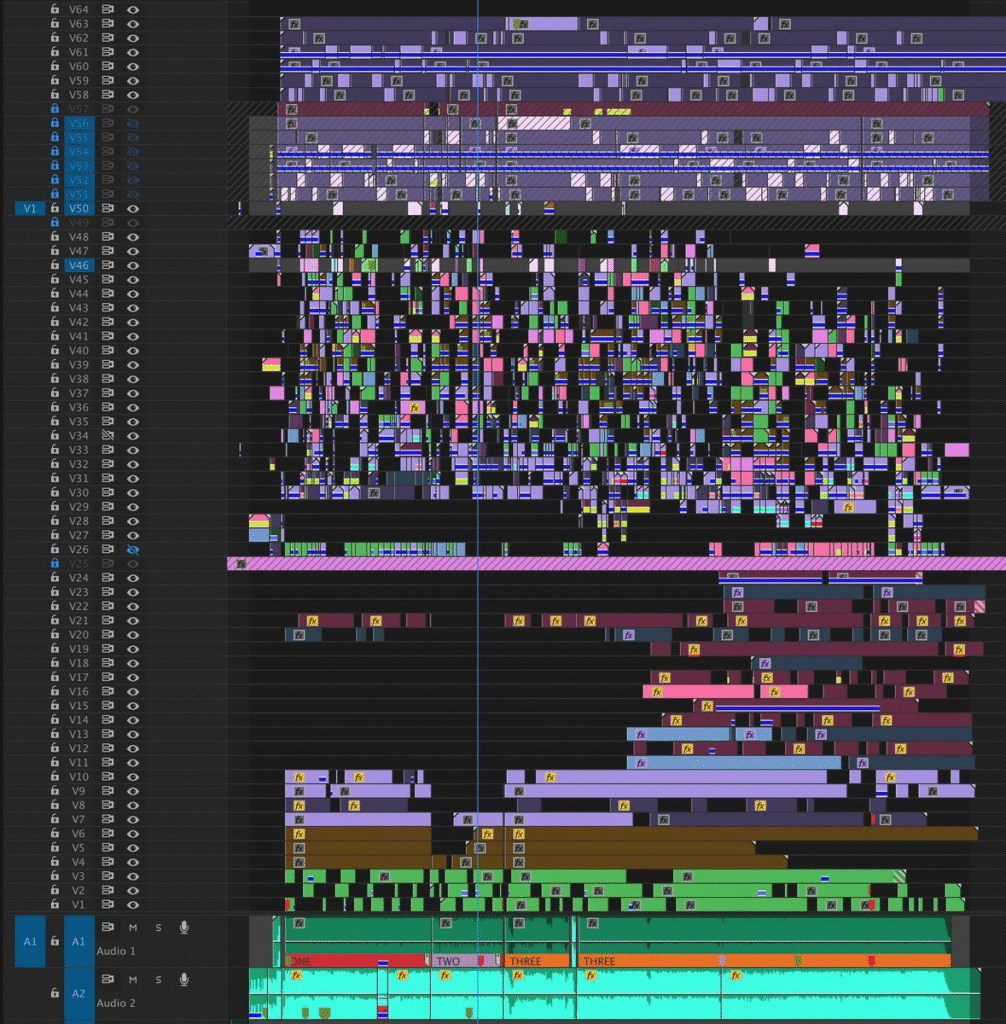
Film editing is often called the invisible art — not because it’s unimportant, but because the best editing is felt rather than seen. It shapes emotion, controls pace, builds tension, and turns raw footage into a living, breathing narrative.
While audiences may not always notice the cuts, they feel their impact.
Every frame removed, every transition chosen, and every rhythm crafted contributes to the emotional architecture of the story.
Editing doesn’t just assemble shots.
It sculpts the story.
⭐ Why Editing Is the Heartbeat of Cinema
Film is created three times:
1️⃣ When it’s written
2️⃣ When it’s shot
3️⃣ When it’s edited — where it truly comes alive
Editing determines:
- How long a moment lasts
- When tension rises
- When characters connect
- When emotions land
- How time flows
The editor controls the rhythm, and rhythm shapes the entire viewer experience.
⭐ The Rhythm of Storytelling
Every scene has a natural pulse. Editors manipulate this rhythm to guide emotion:
🎭 Slow pacing
Creates intimacy, reflection, or emotional depth.
⚡ Fast pacing
Builds excitement, chaos, fear, or energy.
⏸️ Lingering cuts
Allow viewers to process meaning or feel tension.
✂️ Sharp abrupt cuts
Shock the audience or jump the momentum.
Good editing flows so naturally that viewers don’t question it — they’re simply absorbed.
⭐ Continuity: Making the Illusion Real
Continuity editing keeps scenes smooth and believable.
This includes matching:
- Eye lines
- Camera direction
- Props
- Lighting
- Performance continuity
When continuity breaks, the illusion breaks.
When continuity clicks, the viewer is fully immersed.
⭐ Creating Emotion Through Cuts
Editing can amplify emotion with precision:
❤️ Emotional closeness
Cut to a close-up at the right moment.
😧 Tension & suspense
Hold a shot longer than expected.
😲 Surprise or shock
Cut abruptly or change perspective suddenly.
🤝 Connection between characters
Match expressions through shot-reverse-shot patterns.
Editing is the emotional conductor of the film.
⭐ Montage: Compressing Time Into Meaning
Montage is one of cinema’s most powerful storytelling tools.
It combines multiple images to create new meaning, showing:
- Growth
- Decay
- Journey
- Contrast
- Memories
- Emotional transformation
A montage compresses time — and expands emotion.
⭐ Sound + Editing: The Invisible Duo
Editing isn’t just visual. It’s deeply tied to sound:
- Music shapes rhythm
- Sound effects guide transitions
- Silence intensifies emotion
- Dialog flow determines pacing
Editors use sound to connect scenes, heal cuts, and heighten tension.
Sometimes, it’s the sound, not the image, that makes a cut feel perfect.
⭐ Modern Editing: Technology Enhances the Art
Digital tools give editors more control than ever:
- Non-linear editing software
- AI-assisted cut detection
- Color integration
- Real-time VFX previews
- Motion graphics